CERT-FR reports multiple vulnerabilities in HPE Aruba Networking ClearPass Policy Manager. The possible impacts include remote arbitrary code execution, privilege escalation, and remote denial of service, making accurate infrastructure inventory and structured remediation essential.
Cisco has released emergency fixes for an actively exploited Secure Email Gateway vulnerability that can give unauthenticated attackers root-level command execution. Because attackers may alter appliance logs after compromise, organizations must combine firmware remediation with external exposure checks and forensic investigation.
Arista says the accelerating threat landscape requires product security to be treated as a first principle rather than an afterthought. Its response highlights the growing role of AI in defending network products and operations when threats move faster than traditional manual processes.
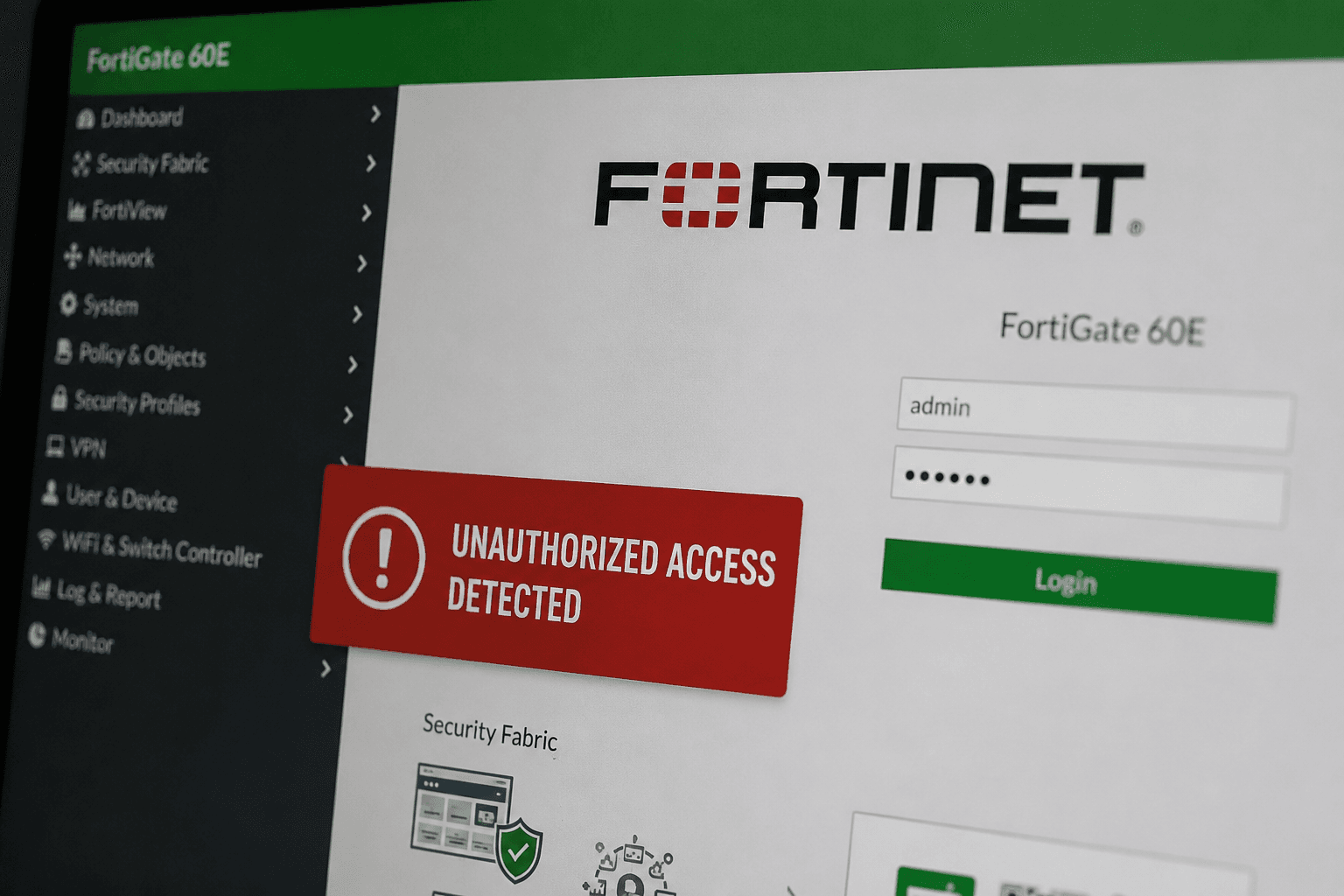
The cybersecurity incident known as “FortiBleed” involves a large-scale compromise campaign targeting Fortinet FortiGate firewalls and VPN gateways. Estimates suggest between 30,000 and 75,000+ devices may have been affected globally. The attack impacted organizations across government, telecom, healthcare, finance, and technology sectors in more than 190 countries.
Security teams managing Cisco infrastructure have yet another reason to stay on high alert. The networking giant has disclosed a newly discovered vulnerability that is already being exploited by attackers, despite the absence of an official security patch. The flaw affects Cisco Catalyst SD-WAN Manager and adds to a growing list of security incidents targeting enterprise networking platforms in recent months.
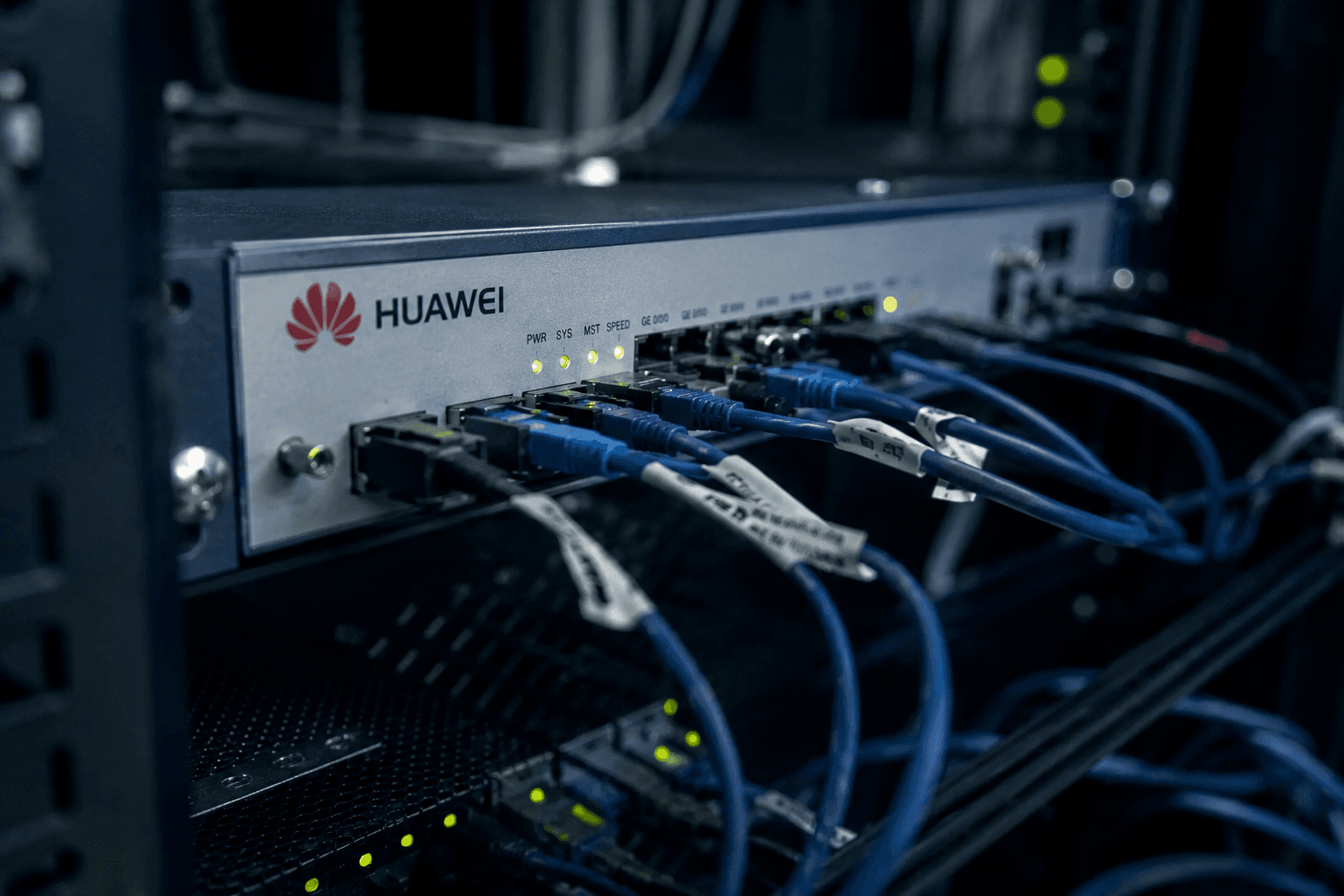
A few days ago, a fascinating — and honestly terrifying — story emerged from Luxembourg. According to investigations reported by The Record, a previously unknown vulnerability affecting Huawei enterprise routers allegedly caused a nationwide telecom outage that disrupted mobile networks, landlines, Internet access, and even emergency communications for more than three hours. Let that sink in for a second. Not a ransomware attack. Not a datacenter fire. Not a massive DDoS. A router vulnerability. More specifically, specially crafted network traffic reportedly triggered Huawei devices into continuous reboot loops, effectively collapsing critical telecom infrastructure across the country. And the most concerning part? Almost a year later: - no public CVE exists, - no public advisory was released, - no clear disclosure process happened, - and operators worldwide still have very limited visibility into whether similar infrastructure remains exposed. This incident should be a wake-up call for the entire industry.
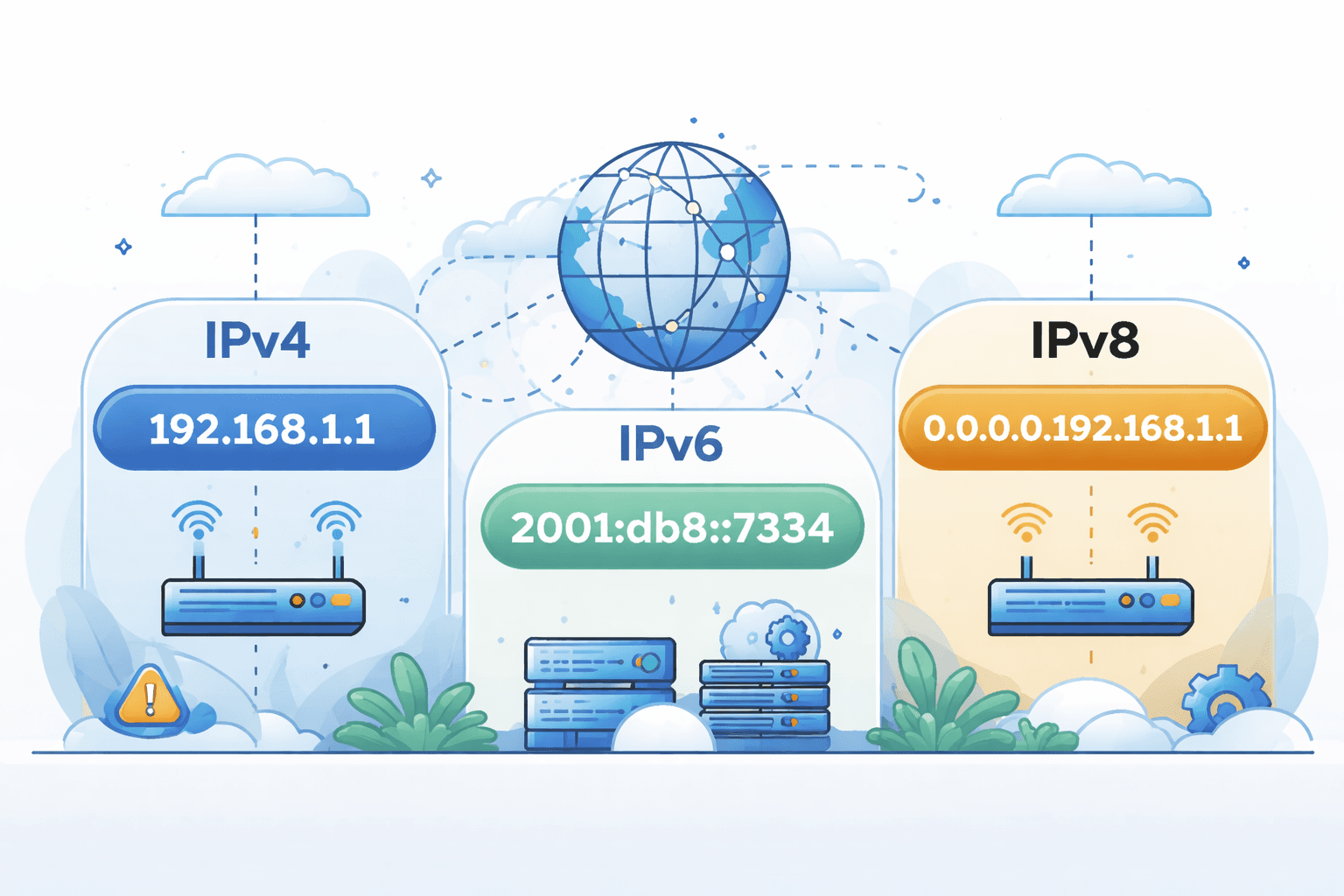
The Internet relies on IP (Internet Protocol) addresses to allow devices to communicate. However, the rapid growth of connected devices has created a major issue: the exhaustion of available IP addresses. While IPv6 was introduced to solve this, its adoption has been slow. A new proposal, IPv8, aims to provide a simpler and more practical solution.
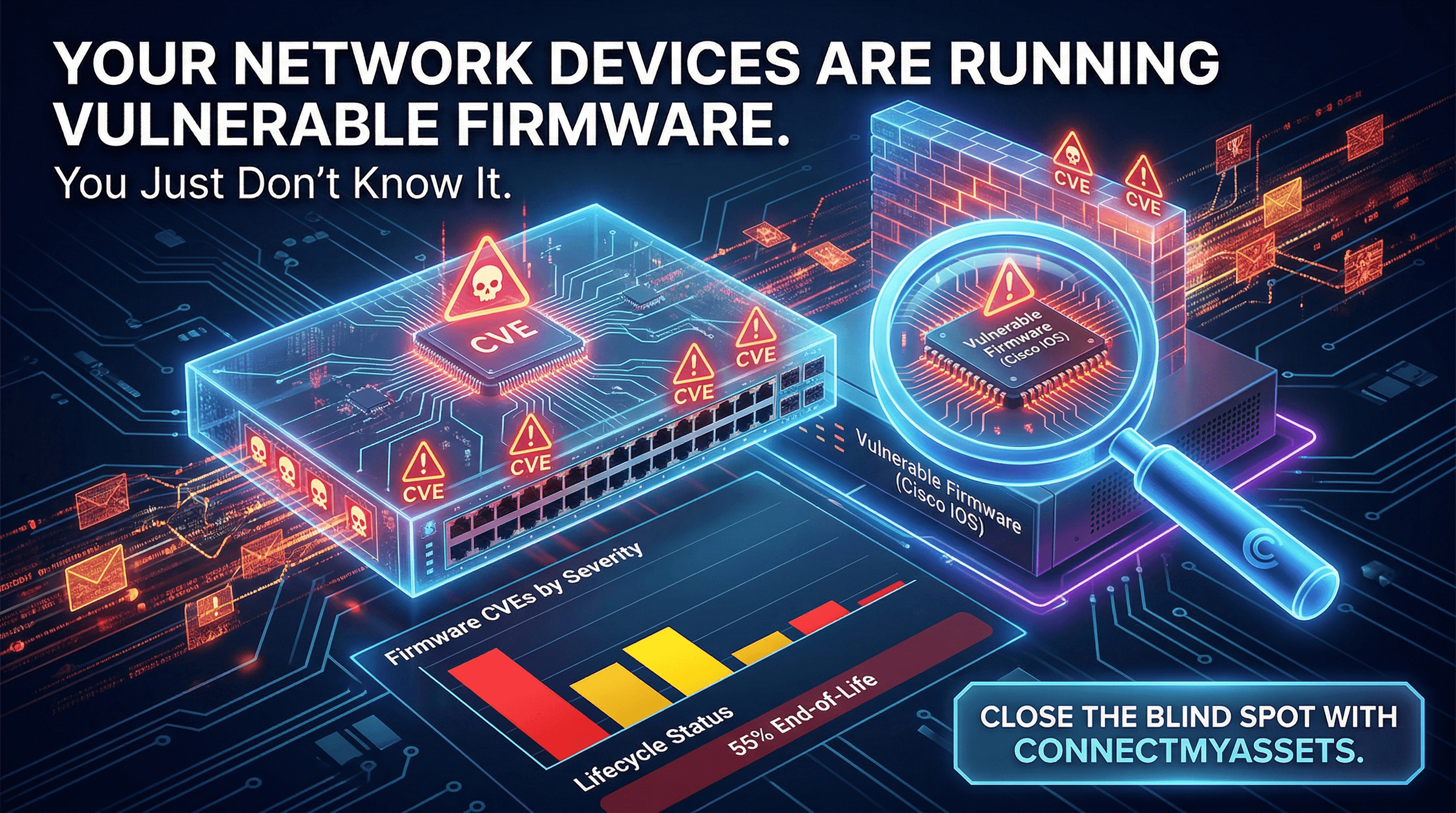
Servers get patched. Workstations get patched. But firmware on your switches, routers, firewalls, and access points? That's the blind spot that attackers know about — and most security teams don't. ConnectMyAssets is the only platform that gives network teams real firmware-based vulnerability tracking — including End-of-Life detection — across their entire network infrastructure.
Digital sovereignty is no longer just a strategic concept—it’s a critical requirement for any organization that wants to stay in control of its infrastructure, its data, and ultimately its future. Yet today, many companies unknowingly give up that control. They rely on vendor platforms to manage their network equipment, store their data, and define how their infrastructure operates. What seems convenient at first quickly turns into dependency.
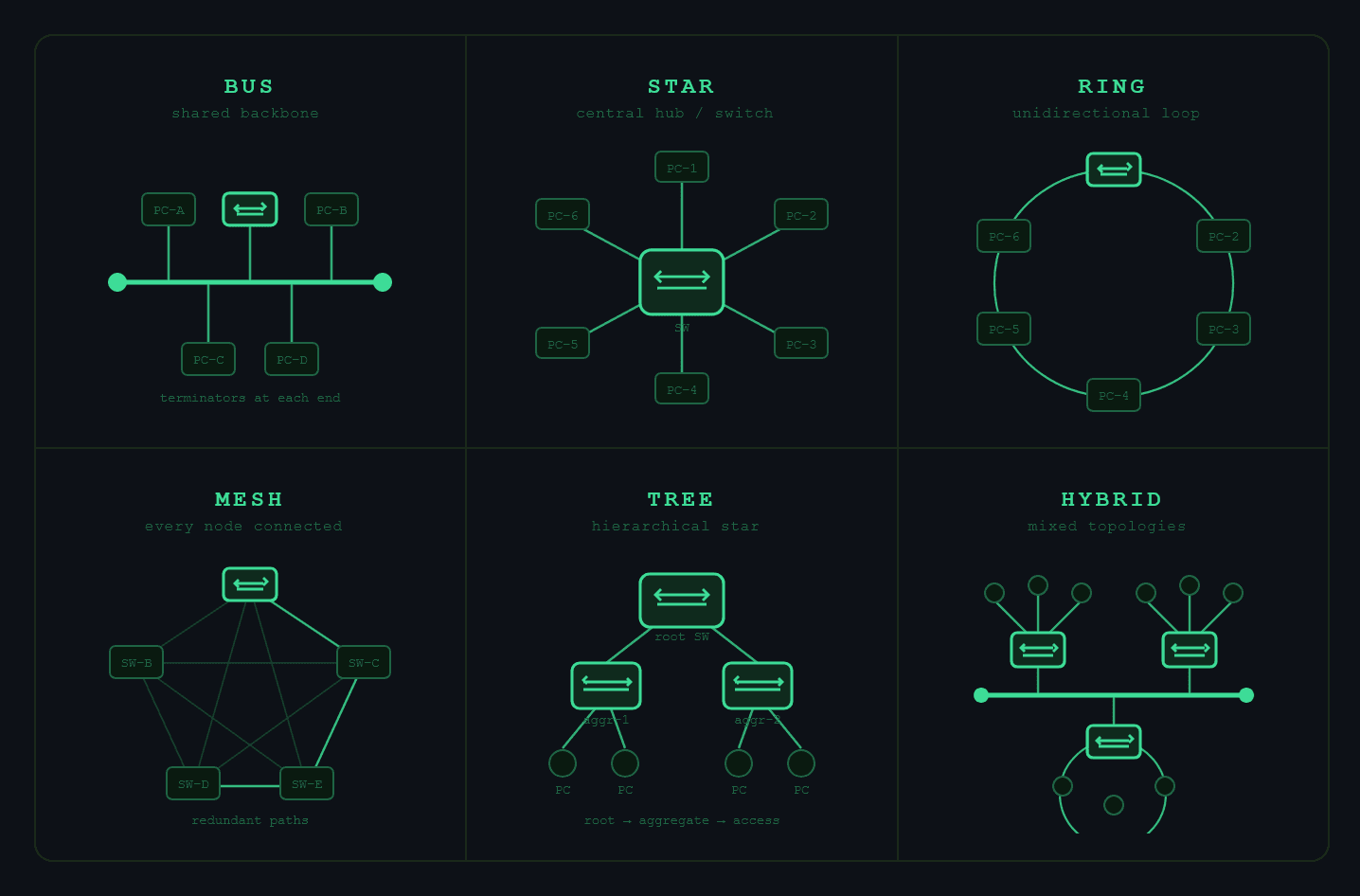
Modern enterprise networks are more complex than ever. Switches, routers, firewalls, trunk links, VLAN segmentation, wireless infrastructure… all these components create environments where understanding the real network architecture becomes difficult. Yet many organizations still rely on static network diagrams created in tools like Visio or Draw. The reality is simple: Static diagrams cannot keep up with modern networks.
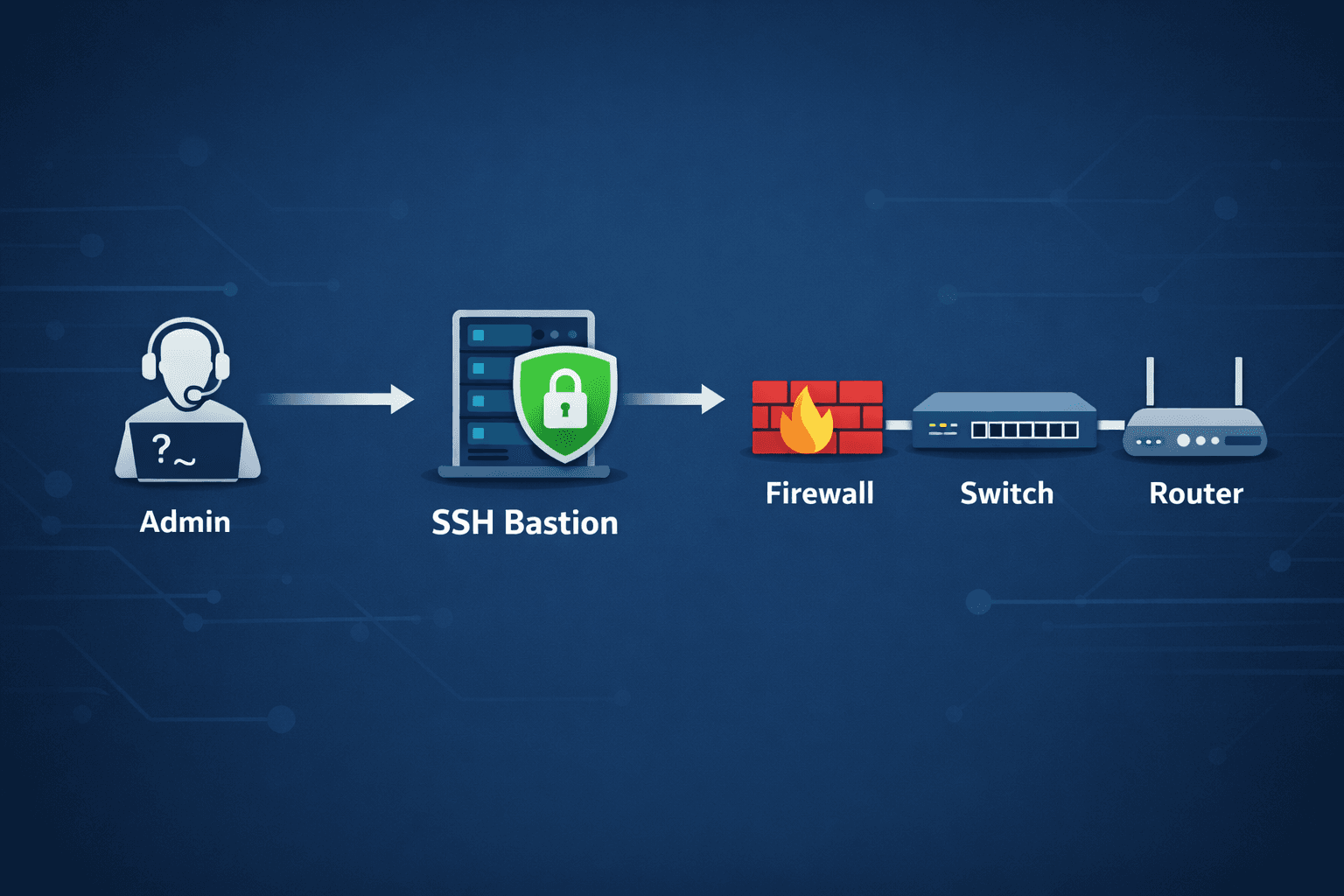
Managing network infrastructure securely is a critical responsibility for IT and network teams. Firewalls, routers, switches, and other infrastructure devices are the backbone of an organization's connectivity, and unauthorized access to these systems can lead to serious security incidents. One effective approach to strengthen security and control administrative access is the use of an SSH bastion host.
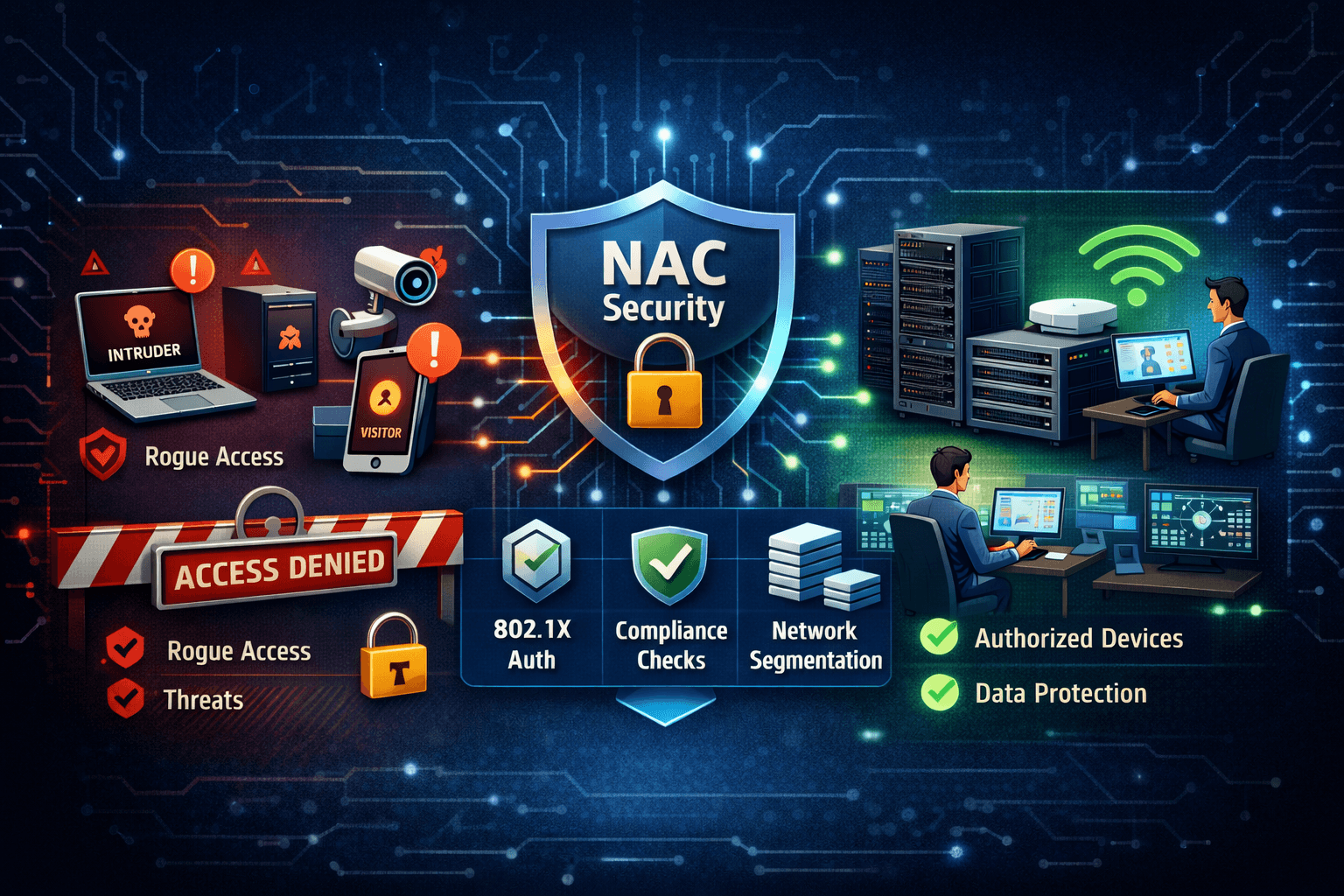
In today’s cybersecurity landscape, corporate networks are under constant pressure from internal and external threats. While firewalls and antivirus solutions remain essential, they are no longer sufficient on their own. One of the most critical — yet often underestimated — security mechanisms is Network Access Control (NAC). NAC ensures that only authorized and compliant devices can access your internal network. Without it, your LAN becomes an open door.
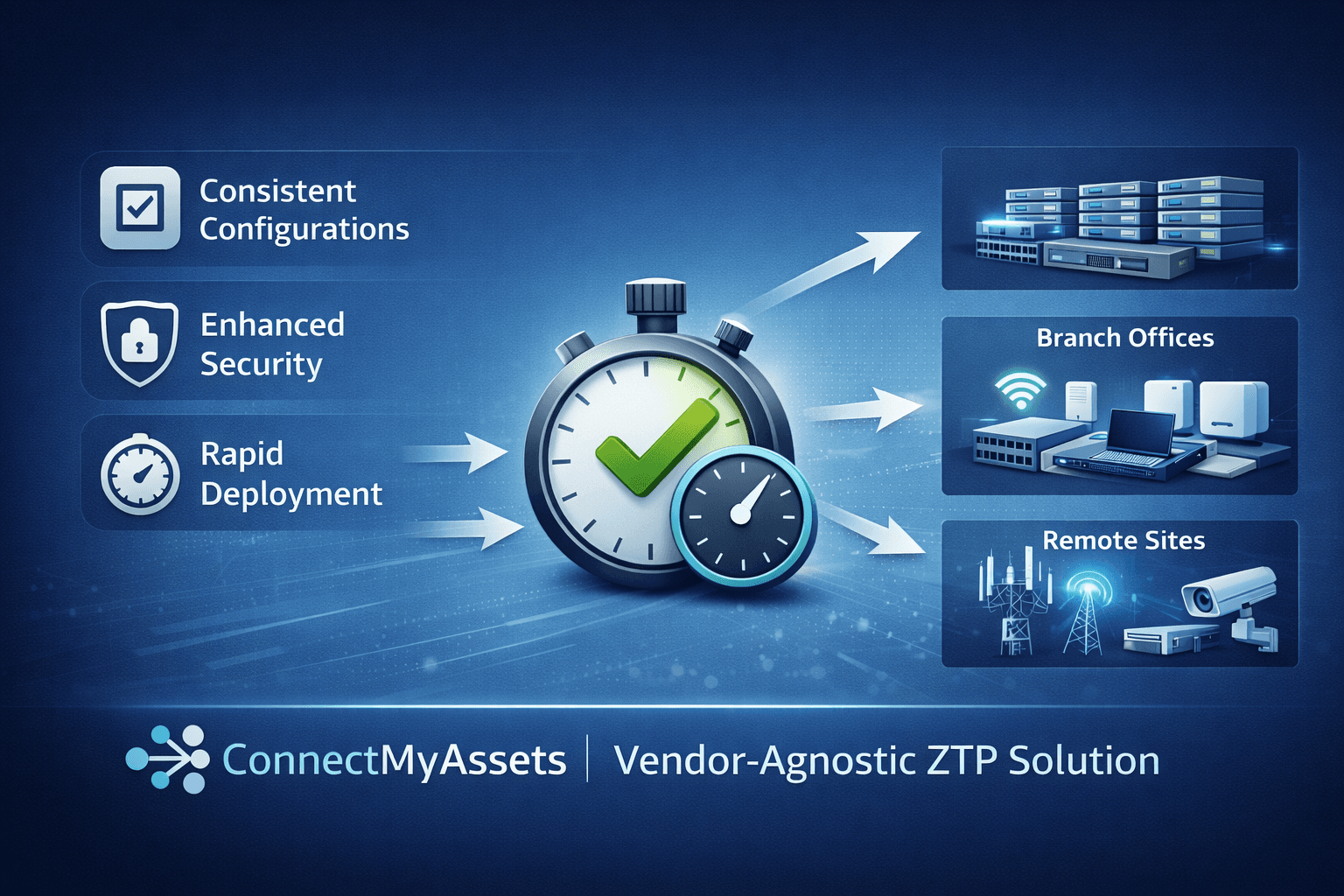
As enterprise networks grow in size and complexity, traditional manual provisioning methods are no longer sustainable. Configuration errors, security gaps, and slow deployments can quickly become major operational risks. Zero Touch Provisioning (ZTP) addresses these challenges by automating device onboarding, ensuring configuration conformity, strengthening security, and dramatically reducing deployment time.
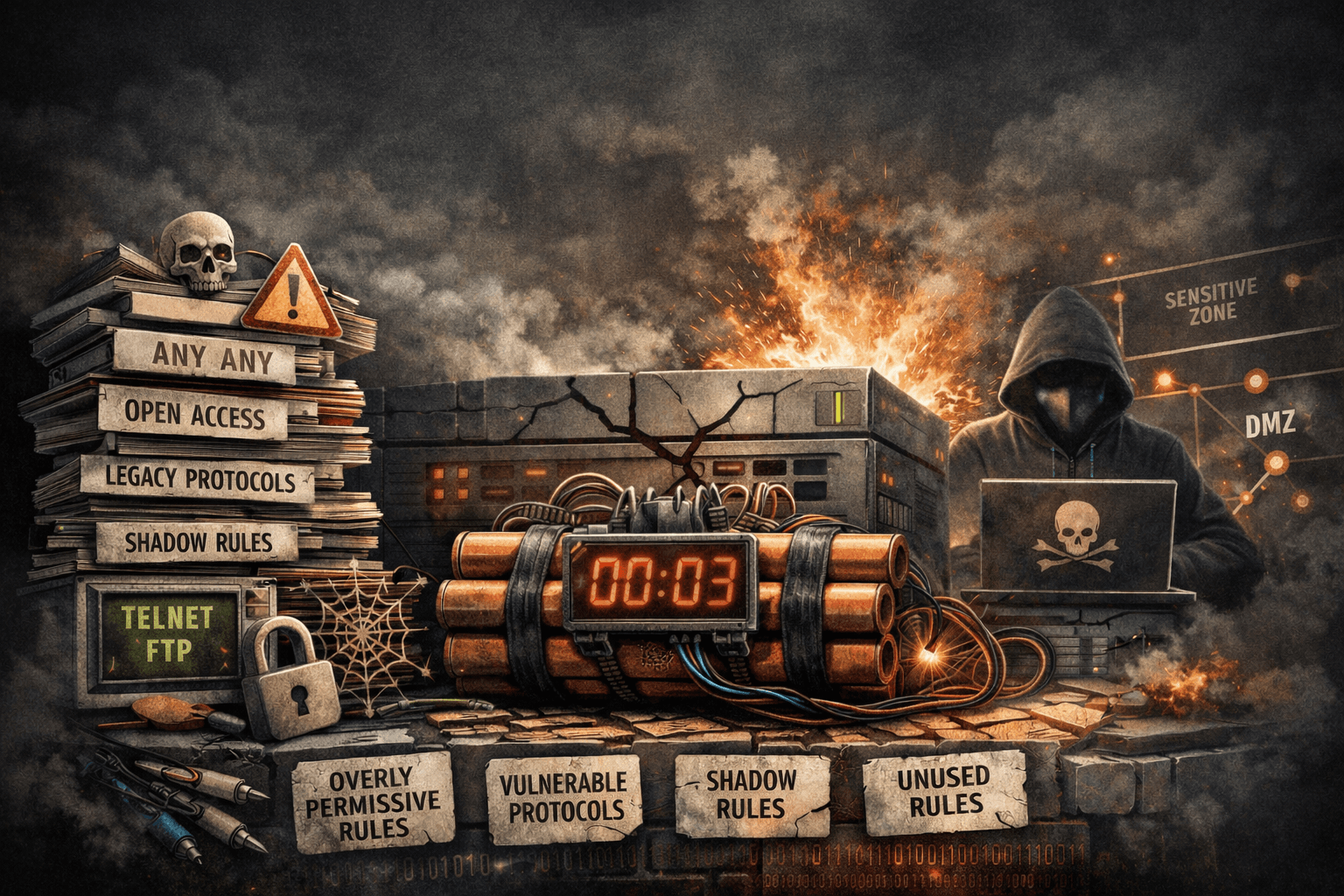
In large enterprise environments, firewall rule bases rarely fail because of a single bad decision. They fail because of accumulated complexity, lack of discipline, and rules that outlive their original purpose. As networks grow — more zones, more applications, more cloud connectivity — firewall rules often turn into a catch-all configuration layer. What started as a structured security policy slowly becomes a maze no one fully understands anymore. This is not just messy. It is dangerous.
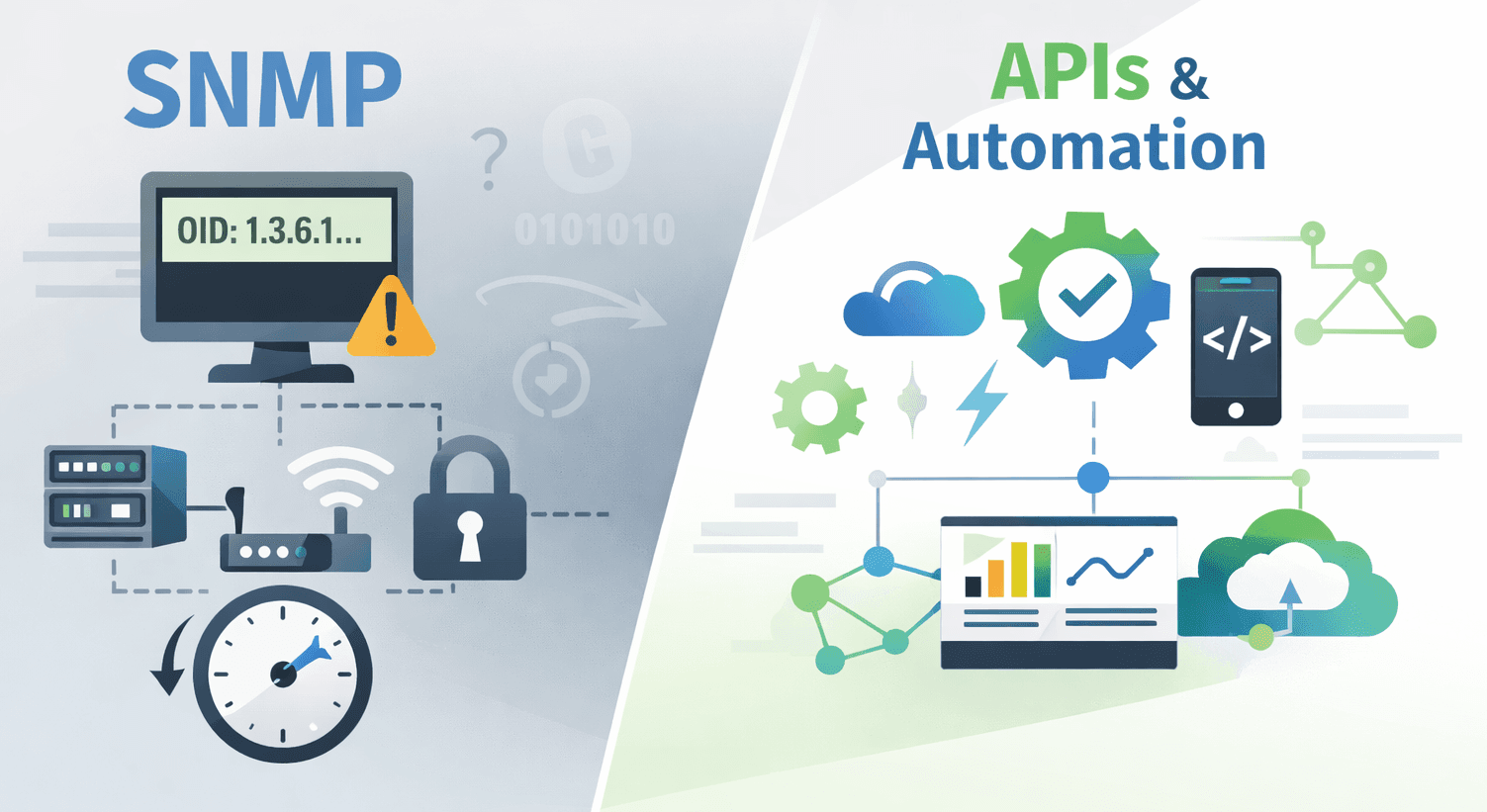
For decades, SNMP (Simple Network Management Protocol) has been the backbone of network monitoring. It powered dashboards, alerts, capacity planning, and fault management across enterprises and service providers alike. And yet, despite its long reign, a growing consensus is emerging in the networking community: SNMP is no longer fit for modern networks. It’s not that SNMP suddenly stopped working. It’s that the world around it has fundamentally changed — and SNMP hasn’t kept up.
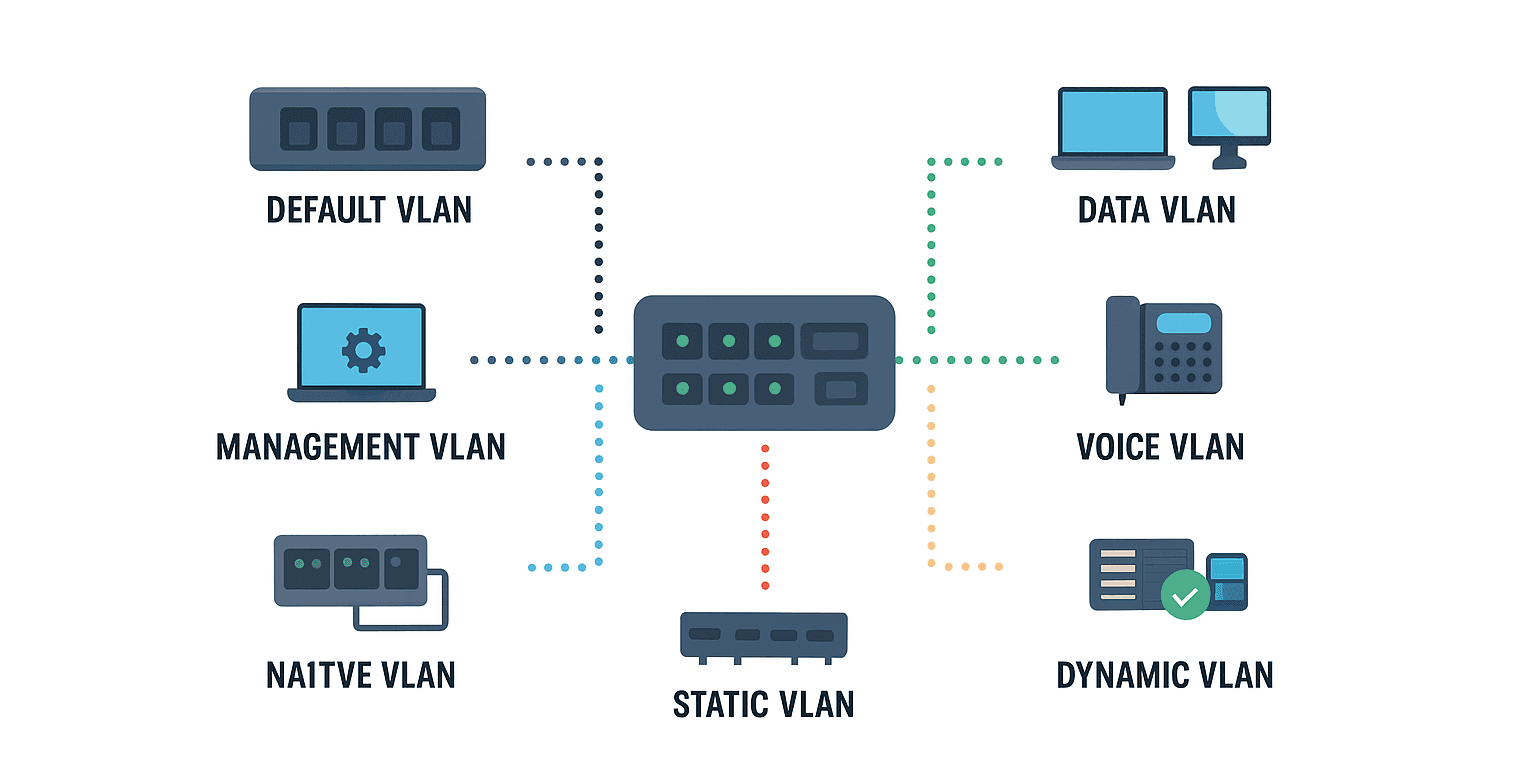
In modern network design, Virtual Local Area Networks (VLANs) are essential for improving performance, enhancing security, and simplifying management. By segmenting traffic into logical groups, VLANs isolate network domains, reduce broadcast traffic, and give administrators granular control over data flow.
In today’s networked enterprises, the real challenge isn’t just connecting devices — it’s governing complexity. With multiple vendors, evolving firmware, and growing compliance requirements, IT teams often lose visibility and control. This article explores how ConnectMyAssets brings back operational freedom through open standards, compliance, and interoperability, breaking away from the limitations of vendor-locked solutions.
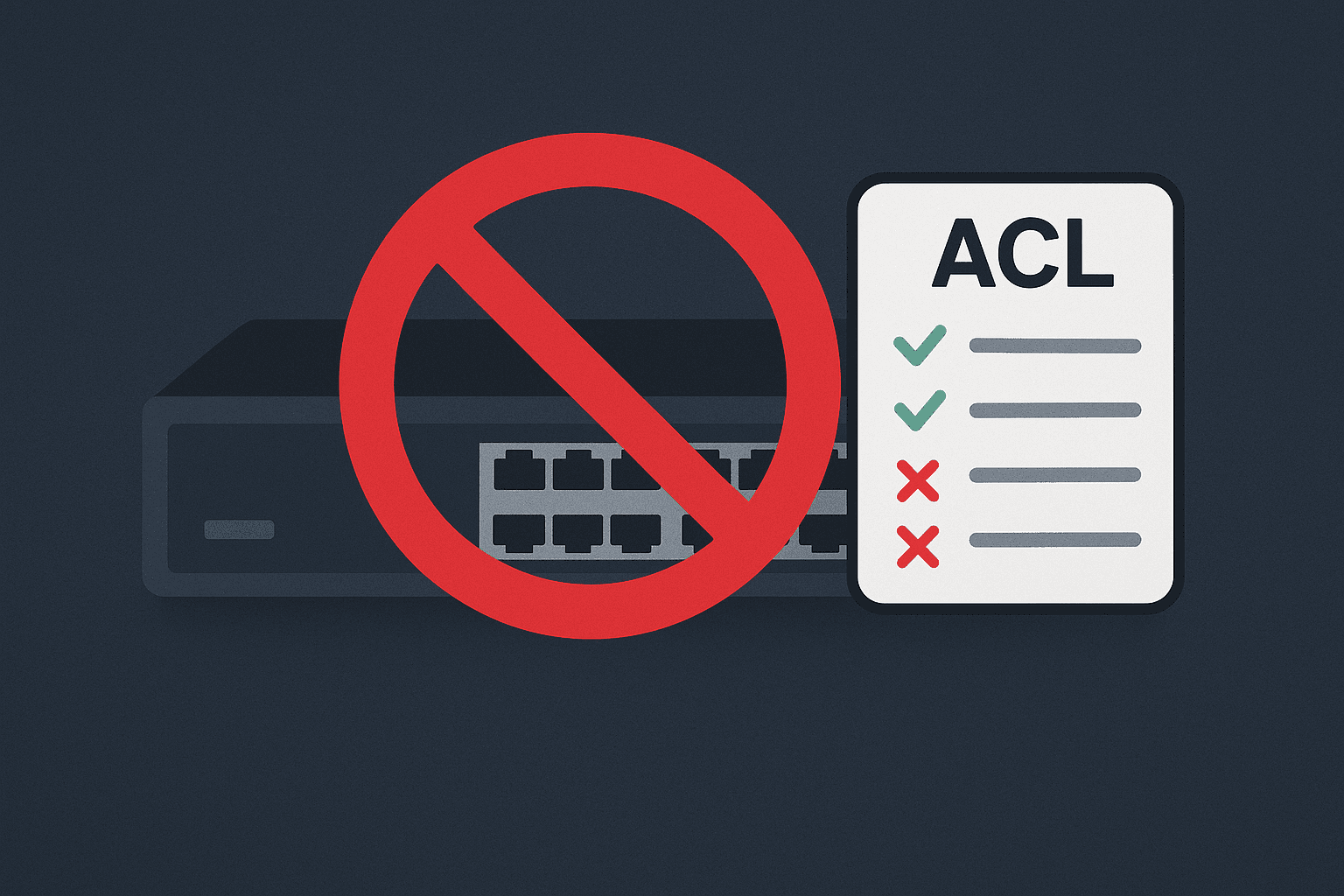
Access Control Lists (ACLs) are a quick, low-cost, high-impact way to restrict who can reach your devices’ management interfaces. Apply ACLs to management VLANs or interfaces to allow only a well-defined admin subnet.