CERT-FR reported multiple vulnerabilities affecting Juniper Networks products on October 15, 2026. The potential impacts include remote arbitrary code execution, privilege escalation, and remote denial of service, making accurate inventory and remediation evidence essential.
A suspected advanced threat actor has exploited CVE-2025-61624 to deploy PEERSTITCH, a previously unreported memory-resident ARM64 malware. Organizations should identify exposed FortiOS, FortiPAM, FortiProxy, and FortiSwitchManager assets, validate firmware remediation, and investigate tagged VPN session activity.
CERT-FR reports a Cisco Catalyst SD-WAN vulnerability that can allow an attacker to bypass security policy. Cisco indicates that CVE-2026-76504 is being actively exploited, making accurate asset identification, version verification, and remediation evidence immediate priorities.
Cisco has patched CVE-2026-76460, an actively exploited authentication-bypass vulnerability in Cisco ISE and ISE-PIC. The flaw allows unauthenticated attackers to gain root privileges, making rapid asset identification, patching, and compromise checks essential.
CISA added three actively exploited vulnerabilities affecting Cisco, Citrix, and Fortinet products to its Known Exploited Vulnerabilities catalog. The additions give network teams a clear reason to identify affected Cisco and Fortinet devices, prioritize patching, and verify remediation against current asset and firmware records.
CERT-FR has reported multiple vulnerabilities affecting HPE Aruba Networking products. The potential impacts include remote arbitrary code execution, privilege escalation, and remote denial of service, making accurate device and firmware inventories essential for remediation.
Cisco says attackers are actively exploiting two recently patched Secure Firewall Management Center vulnerabilities in campaigns involving credential theft, Qilin ransomware, and state-sponsored activity. Accurate asset inventory, software tracking, and structured remediation workflows are critical to identifying exposed systems and reducing risk.
CERT-FR has reported multiple vulnerabilities affecting Cisco products, with potential impacts including remote arbitrary code execution, remote denial of service and SQL injection. Network teams should identify affected infrastructure, verify exposure and document remediation through controlled patching and compliance workflows.
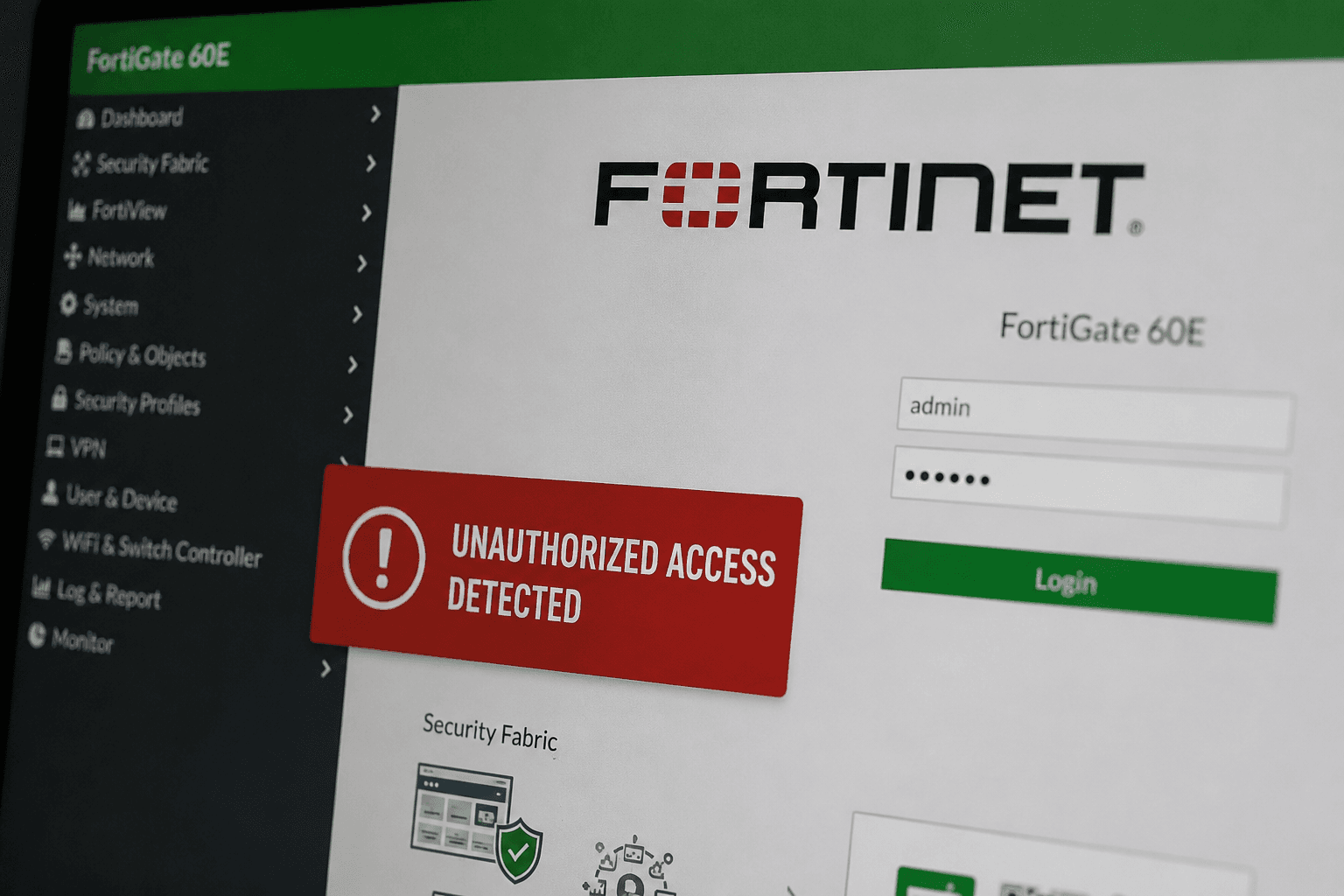
CERT-FR has disclosed multiple vulnerabilities affecting Fortinet products, with potential impacts including remote arbitrary code execution, privilege escalation, and remote denial of service. Network teams should use the advisory to identify exposed appliances, prioritize updates, and retain evidence of remediation.
CERT-FR has reported multiple vulnerabilities in Palo Alto Networks products, including flaws that can enable remote arbitrary code execution, remote denial of service, and cross-site scripting. Network teams should translate the advisory into an asset-level response that identifies affected devices, prioritizes remediation, and preserves evidence of completed work.
Cisco has released software updates for seven internally discovered vulnerabilities affecting IOS XR, including two critical flaws rated 9.8. Every IOS XR release is affected regardless of configuration, and no workarounds are available. Network teams should identify exposed routers, prioritize updates, and retain evidence of each remediation step.
CERT-FR reports multiple vulnerabilities in HPE Aruba Networking ClearPass Policy Manager. The possible impacts include remote arbitrary code execution, privilege escalation, and remote denial of service, making accurate infrastructure inventory and structured remediation essential.
Cisco has released emergency fixes for an actively exploited Secure Email Gateway vulnerability that can give unauthenticated attackers root-level command execution. Because attackers may alter appliance logs after compromise, organizations must combine firmware remediation with external exposure checks and forensic investigation.
The cybersecurity incident known as “FortiBleed” involves a large-scale compromise campaign targeting Fortinet FortiGate firewalls and VPN gateways. Estimates suggest between 30,000 and 75,000+ devices may have been affected globally. The attack impacted organizations across government, telecom, healthcare, finance, and technology sectors in more than 190 countries.
A few days ago, a fascinating — and honestly terrifying — story emerged from Luxembourg. According to investigations reported by The Record, a previously unknown vulnerability affecting Huawei enterprise routers allegedly caused a nationwide telecom outage that disrupted mobile networks, landlines, Internet access, and even emergency communications for more than three hours. Let that sink in for a second. Not a ransomware attack. Not a datacenter fire. Not a massive DDoS. A router vulnerability. More specifically, specially crafted network traffic reportedly triggered Huawei devices into continuous reboot loops, effectively collapsing critical telecom infrastructure across the country. And the most concerning part? Almost a year later: - no public CVE exists, - no public advisory was released, - no clear disclosure process happened, - and operators worldwide still have very limited visibility into whether similar infrastructure remains exposed. This incident should be a wake-up call for the entire industry.
Servers get patched. Workstations get patched. But firmware on your switches, routers, firewalls, and access points? That's the blind spot that attackers know about — and most security teams don't. ConnectMyAssets is the only platform that gives network teams real firmware-based vulnerability tracking — including End-of-Life detection — across their entire network infrastructure.
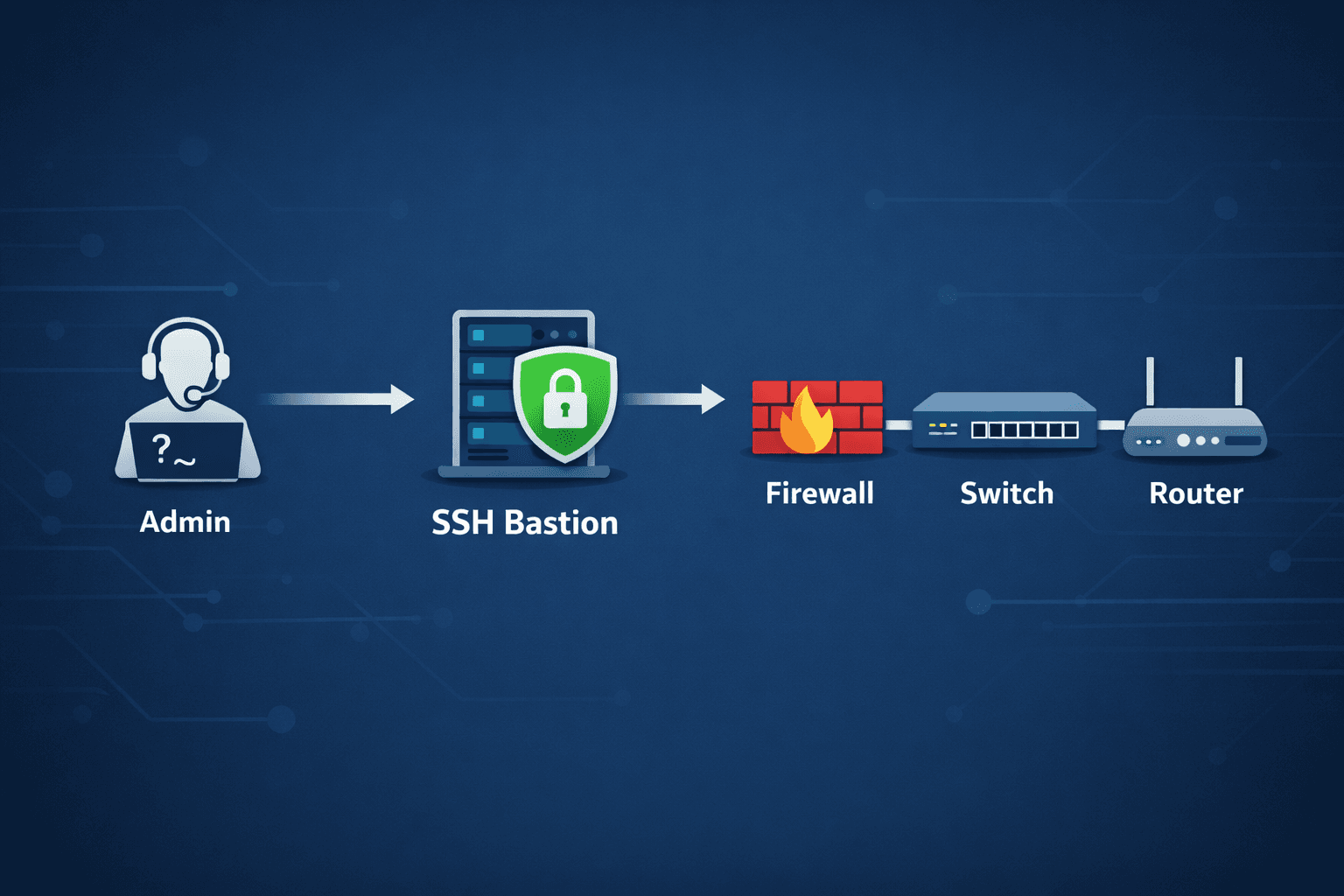
Managing network infrastructure securely is a critical responsibility for IT and network teams. Firewalls, routers, switches, and other infrastructure devices are the backbone of an organization's connectivity, and unauthorized access to these systems can lead to serious security incidents. One effective approach to strengthen security and control administrative access is the use of an SSH bastion host.
A critical vulnerability (CVE-2025-20352) in the SNMP subsystem of Cisco IOS and IOS-XE is being actively exploited by threat actors. This flaw enables remote code execution or Denial of Service through a single crafted SNMP packet. With over 2 million Cisco devices exposed online, the attack surface is massive — and the urgency to patch is immediate.