Ever caught yourself typing “enable” on a switch that still uses a local admin password from 2012? Yeah… same. The truth is, most of our network gear still trusts anyone who knows a single password — and that’s terrifying. Enter TACACS+, the protocol that gives your switches trust issues (in a good way). It centralizes authentication, tells each admin exactly what they can or can’t do, and keeps a detailed log of who did what. Because when something goes wrong, “I don’t know who changed that” isn’t an acceptable answer anymore.
In 2025, cybersecurity giant F5 Inc. confirmed that it fell victim to a highly sophisticated, nation-state–level cyberattack. The attack, described as one of the most significant in the company’s history, exposed critical internal assets and triggered an international cybersecurity response.
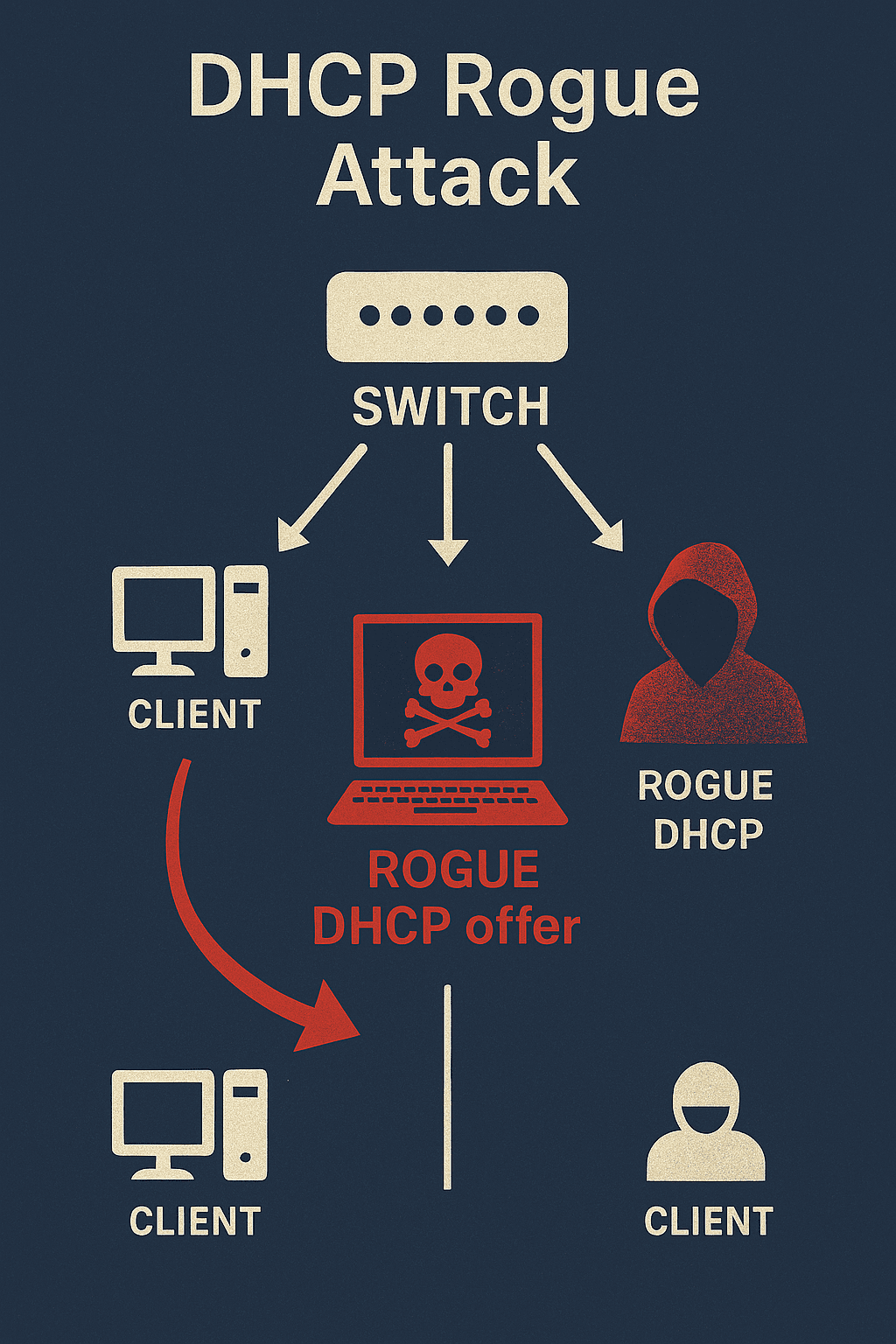
DHCP Snooping is a security feature that plays a critical role in protecting local area networks (LANs). Commonly enabled on access or distribution switches, it acts as a barrier against rogue DHCP servers and ensures that clients receive legitimate IP addresses. This article explains: - What DHCP Snooping is - Why it is essential in enterprise networks - How to configure it correctly, with a practical Aruba CX example ---
VLAN 1 may look harmless — it’s the default VLAN on almost every switch. But tagging VLAN 1 on uplinks can cause interoperability issues, packet drops, or even security risks. Here’s why you should never tag VLAN 1 — and how Aruba CX handles native VLANs differently.
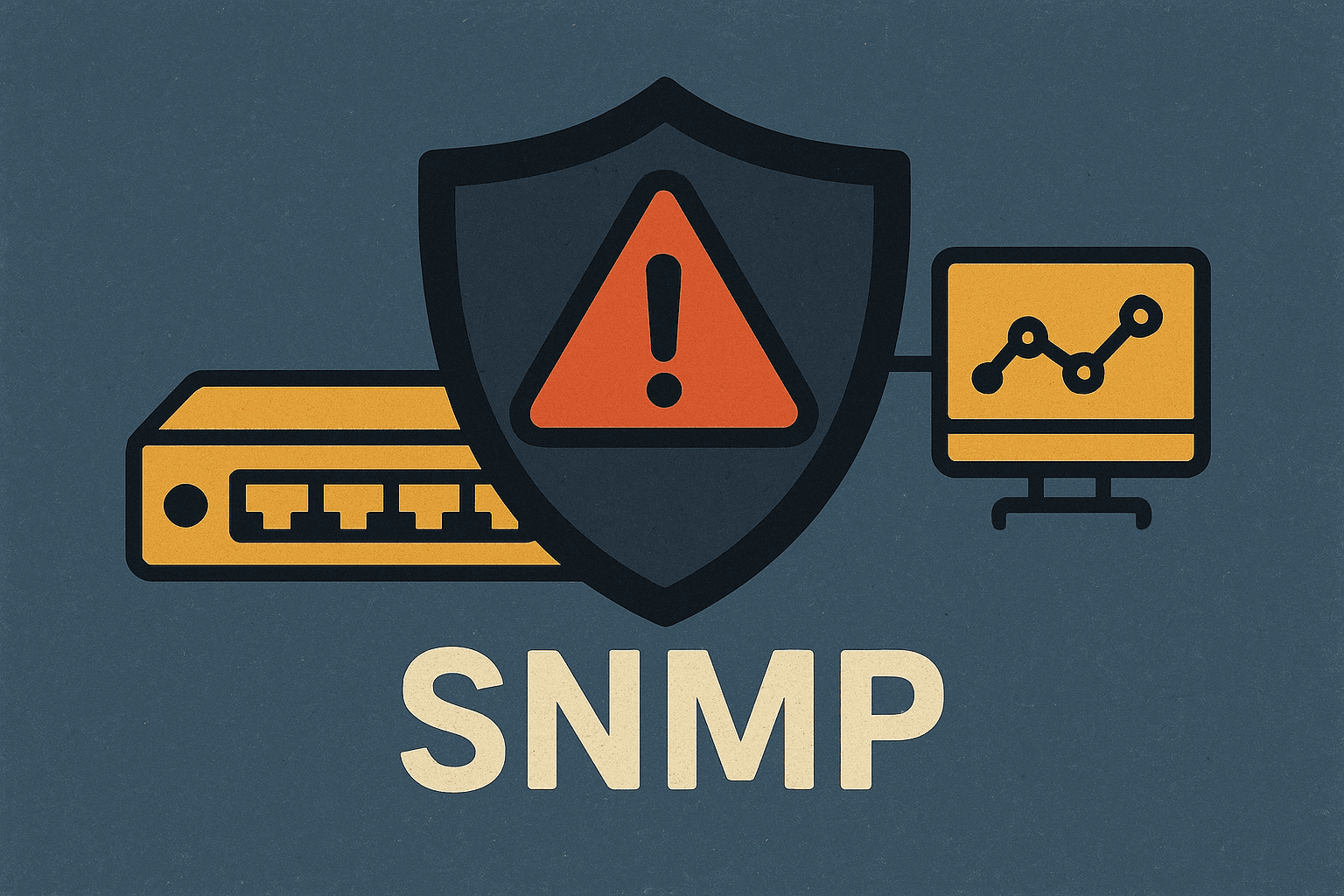
A critical vulnerability (CVE-2025-20352) in the SNMP subsystem of Cisco IOS and IOS-XE is being actively exploited by threat actors. This flaw enables remote code execution or Denial of Service through a single crafted SNMP packet. With over 2 million Cisco devices exposed online, the attack surface is massive — and the urgency to patch is immediate.
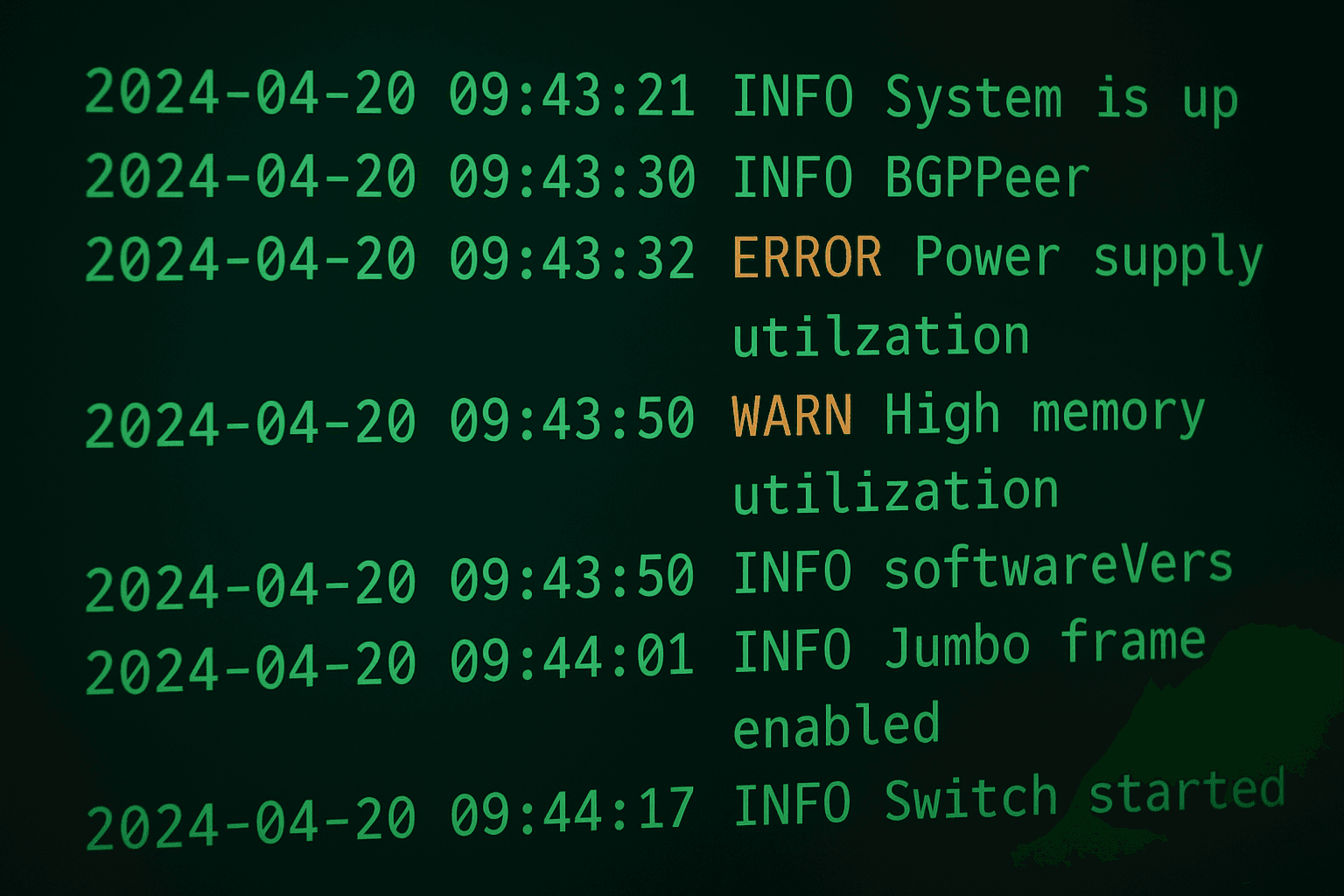
In modern network environments, visibility and logging are critical. Whether managing a LAN, data center, or WAN backbone, Syslog provides a standardized, lightweight, and powerful way to collect and centralize event data from routers, switches, and firewalls — essential for troubleshooting and cybersecurity.
The NIS2 Directive introduces stricter cybersecurity requirements for critical infrastructure. Learn how to ensure compliance for your network operations.
Network configuration backups are more than disaster recovery — they’re a pillar of operational resilience and compliance. Learn how to design, automate, and secure configuration backups across multi-vendor environments with proven industry best practices.
Managing networks built from different vendors is a daily challenge for enterprises. Learn how to overcome fragmentation, improve automation, and standardize operations across heterogeneous infrastructures.