Key Facts
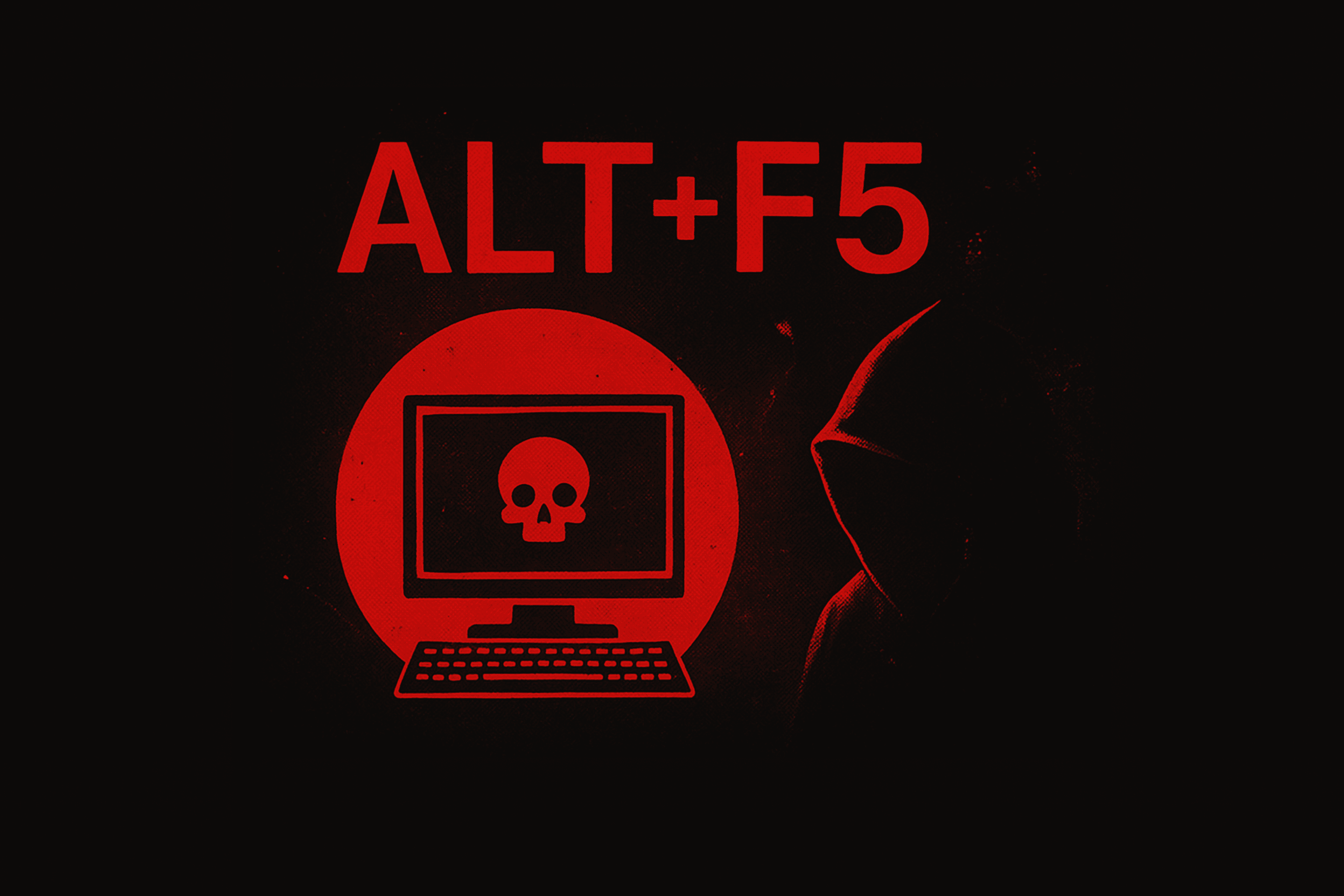
Hackers maintained persistent access to F5’s systems for over 12 months.
They exfiltrated source code for the BIG-IP suite and other sensitive vulnerability data.
While the company’s core operations continued, the breach led to a U.S. federal emergency directive requiring organizations to patch and secure F5 devices immediately.
Unpacking the Fallout
1. Supply Chain Contamination
F5’s products—especially BIG-IP, widely deployed across enterprises, governments, and infrastructure networks—could become a gateway for secondary attacks. By compromising F5, attackers may have indirectly infiltrated multiple downstream organizations.
2. Zero-Day Weaponization Risk
By stealing internal vulnerability information, threat actors could now develop zero-day exploits at record speed, targeting unpatched or outdated F5 devices. Security experts warn that these tools could be weaponized against critical networks worldwide.
3. Emergency Defense Measures
The U.S. Cybersecurity and Infrastructure Security Agency (CISA) issued an urgent directive, forcing agencies to:
Identify exposed systems
Isolate compromised networks
Apply security patches under strict deadlines
Organizations are racing to confirm whether their F5 deployments were affected.
4. A Credibility Shock for a Security Leader
The irony is striking: a leading cybersecurity provider breached by the very threat it helps others defend against.
“It’s never a good look when a cybersecurity company gets hacked,” commented one network administrator.
F5 now faces the dual challenge of restoring both security integrity and public trust.
Lessons from the Breach
No one is immune: Even security companies are prime targets.
Defense in depth: Multiple security layers can limit the impact of undetected breaches.
Speed matters: Rapid detection and patching are crucial to preventing escalation.
Supply chains are the new battlefield: Protecting your vendors is as vital as protecting your own perimeter.
Final Thoughts
The F5 cyberattack serves as a harsh reminder: in cybersecurity, trust is both a weapon and a weakness. As F5 rebuilds and investigators trace the source—allegedly tied to a nation-state actor—the broader industry must confront a painful truth:
No fortress is unbreakable, and every defense can become an entry point.